Understanding Mini LED TV Technology
In recent years, the evolution of television technology has taken significant strides, and one of the most notable advancements is the advent of Mini LED technology. Mini LED TVs utilize thousands of tiny LEDs for backlighting, enhancing the overall viewing experience by offering improved contrast, brightness, and color accuracy. As a result, they are rapidly becoming a preferred choice for many consumers looking to upgrade their home entertainment systems. When exploring options, mini LED TV models provide comprehensive insights into the capabilities and benefits of this emerging technology.
What is Mini LED Technology?
Mini LED technology is an advancement of traditional LED (light-emitting diode) television displays, featuring a higher number of smaller LEDs that are used for backlighting LCD panels. This technology allows for significantly finer control over local dimming zones, resulting in better contrast and deeper blacks. Unlike standard LED TVs, which typically have hundreds of dimming zones, Mini LED-equipped displays can feature thousands, providing a more detailed and immersive viewing experience.
How Mini LED Differs from Traditional LED
The primary difference between Mini LED and traditional LED technology lies in the size and number of LEDs used for backlighting. Mini LEDs are approximately 100 times smaller than their conventional counterparts, which allows manufacturers to pack many more LEDs into the same area. This increased density not only enhances brightness but also helps reduce blooming effects, where light spills over into dark areas of the image, a common issue in traditional LED TVs. Thus, Mini LED technology bridges the gap between traditional LED and OLED displays, offering superior performance at a potentially lower price point than OLED.
Advantages of Mini LED TVs Over OLED and QLED
Mini LED TVs offer several advantages over OLED and QLED technologies. Firstly, Mini LED TVs typically achieve higher brightness levels than OLEDs, making them better suited for bright viewing environments. Secondly, the technology minimizes the risk of burn-in, a concern with OLED displays, where static images can permanently imprint on the screen over time. Additionally, Mini LED TVs often provide better HDR (High Dynamic Range) performance due to their superior local dimming capabilities, allowing for a wider range of colors and improved contrast.
Top Mini LED TV Models for 2026
As 2026 approaches, manufacturers are releasing an impressive lineup of Mini LED TVs that feature cutting-edge technology and innovations. Here, we will explore some of the best Mini LED TV models available in the market.
Best Mini LED TVs in the Market
- Sony BRAVIA XR A90K: This model combines Mini LED technology with Sony’s Cognitive Processor XR for exceptional image processing, delivering stunning picture quality suitable for various content.
- TCL C825: Known for its affordability, this Mini LED TV offers premium features, including Dolby Vision and a sleek design, making it a great option for budget-conscious consumers.
- Samsung QN900A: This television represents Samsung’s flagship Mini LED model, featuring 8K resolution and Quantum HDR 32x technology for breathtaking visuals and rich colors.
- LG QNED99: With a unique combination of Mini LED and Quantum Dot technology, the QNED99 delivers impressive brightness and color accuracy, perfect for movie nights or gaming sessions.
Comparative Analysis of Leading Brands
When it comes to Mini LED TVs, brands like Sony, TCL, Samsung, and LG lead the market. Sony is renowned for its exceptional image processing technologies, while TCL excels in providing value for money. Samsung’s QN900A stands out for its 8K capabilities and unrivaled brightness, whereas LG combines the best of both worlds with its QNED series. Each brand offers unique advantages, and consumers should consider their specific viewing needs and preferences when making a choice.
What to Look for When Buying a Mini LED TV
When shopping for a Mini LED TV, several factors should be considered. First, look for the number of local dimming zones, as more zones generally mean better contrast and black levels. Next, consider the brightness levels, especially if you plan to watch television in a well-lit room. Additionally, check for features such as HDR compatibility, smart TV capabilities, and connectivity options including HDMI ports and wireless connectivity. Finally, don’t overlook customer reviews and expert opinions, as these can provide valuable insights into real-world performance.
Setting Up Your Mini LED TV
Proper setup is essential to getting the most out of your Mini LED TV. Following a few simple guidelines can optimize your viewing experience and make the most of your investment.
Optimal Viewing Environment for Mini LED TVs
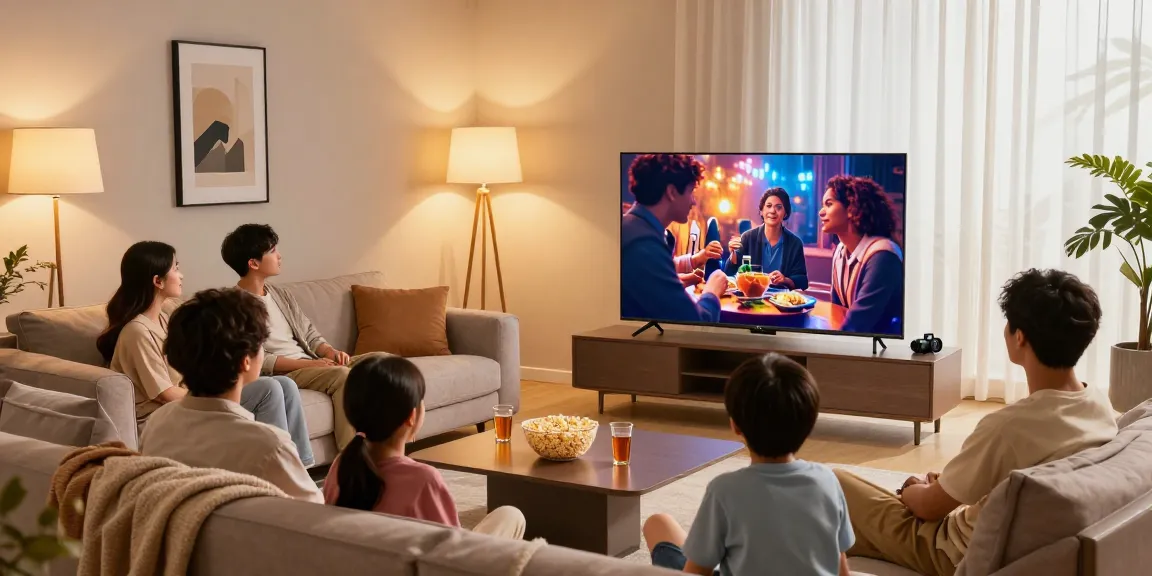
The viewing environment can significantly impact picture quality. Ideally, your Mini LED TV should be placed in a room with controlled lighting. Avoid direct sunlight on the screen, as even the best Mini LED TVs can struggle with glare. Position the TV at eye level for comfort and consider the seating distance based on the screen size—typically, the distance should be about 1.5 to 2.5 times the diagonal size of the screen.
Calibration Tips for Best Picture Quality
Calibration can help fine-tune your Mini LED TV’s settings for optimal image quality. Start by adjusting the brightness, contrast, and color settings to match the specific lighting conditions in your viewing environment. Most TVs come with preset modes such as ‘Movie’ or ‘Cinema’ which can provide a good starting point. For more precise adjustments, consider using calibration tools or software designed for TV calibration.
Connecting External Devices and Accessories
To maximize your Mini LED TV’s capabilities, connecting external devices like gaming consoles, streaming devices, or soundbars is essential. Use high-quality HDMI cables to ensure the best possible signal transfer and check that your connected devices support the TV’s highest resolution, such as 4K or 8K. Additionally, setting up a home theater system can enhance your overall audio-visual experience, making movie nights even more immersive.
Common Issues and Troubleshooting Mini LED TVs
While Mini LED TVs offer impressive technology, users may encounter common issues. Familiarizing yourself with troubleshooting steps can help resolve problems swiftly.
Connectivity Problems and Solutions
Connectivity issues can arise when connecting various devices to your Mini LED TV. Ensure that HDMI cables are securely connected and that you’re using the correct input settings on the TV. If problems persist, consider restarting both the TV and connected devices. Additionally, check for firmware updates that may improve the TV’s compatibility with external devices.
Screen Flickering and Brightness Issues
Screen flickering can be a nuisance, often caused by poor signal input or compatibility issues. Ensure that all cables are in good condition and experiment with different HDMI ports. If brightness issues occur, check the TV’s settings and disable features like Eco mode, which may inadvertently reduce brightness levels to save energy.
Maintenance Tips for Longevity
To keep your Mini LED TV in top condition, regular maintenance is crucial. Dust the screen and vents gently using a microfiber cloth and ensure proper ventilation around the television to prevent overheating. Also, consider performing software updates periodically, as these can fix bugs and enhance performance.
The Future of Mini LED Technology
As technology continues to advance, Mini LED TVs are poised to become a staple in homes around the world. Their blend of affordability and performance places them in a competitive position compared to other display technologies.
Emerging Trends in Display Technology for 2026
Looking ahead, emerging trends indicate that Mini LED technology will continue to evolve. Developments in quantum dot technology and advancements in AI-driven picture processing will enhance performance further, making Mini LED TVs even more appealing. Expect to see more brands entering the market, driving competition and innovation.
Potential Impact of Mini LED on Home Entertainment
Mini LED TVs are set to revolutionize home entertainment by providing consumers with high-quality displays at competitive prices. As more people adopt these televisions, they will likely influence streaming services and content production, pushing for high dynamic range content.
Expert Predictions for Mini LED TVs
Experts predict that Mini LED technology will significantly impact the home entertainment landscape, bringing high-quality visuals to the forefront without the premium cost associated with OLED technology. With improved adaptability to various lighting conditions and reduced risks of burn-in, Mini LED TVs may become the go-to choice for consumers.
What are the Benefits of Mini LED TVs?
The benefits of Mini LED TVs extend beyond just visual quality. Their ability to deliver high brightness levels, excellent HDR capabilities, and lower susceptibility to burn-in compared to OLED displays positions them as an attractive option for a variety of users, including gamers and movie enthusiasts.
How do Mini LED TVs perform in bright environments?
Mini LED TVs excel in bright environments due to their enhanced brightness capabilities. This makes them a suitable choice for rooms with ample natural light, where traditional OLEDs may struggle to maintain picture quality. The fine control over backlighting in Mini LED technology allows for vibrant images regardless of surrounding light conditions.
Are Mini LED TVs worth the investment?
Given the performance benefits and advancements in Mini LED technology, they are worth considering for anyone looking to upgrade their home theater system. With their competitive pricing and superior capabilities, they provide a strong alternative to both OLED and traditional LED technologies.
Mini LED TV vs OLED: Which Is Better?
The debate between Mini LED and OLED technology often comes down to personal preference and specific use cases. While OLED displays offer unparalleled black levels and color accuracy, Mini LED displays provide higher brightness levels and lower risks of screen burn-in, making them a compelling option for varied viewing environments.
What sizes are available for Mini LED TVs?
Mini LED TVs come in various sizes ranging from compact 43-inch models to massive 85-inch displays. This wide variety ensures that consumers can find the perfect fit for their living spaces, whether they have a cozy apartment or a large home theater setup.
How do Mini LED TVs compare to QLED models?
While both Mini LED and QLED technologies utilize LCD panels, Mini LED improves upon traditional LED backlighting by employing smaller light sources. This results in superior contrast and brightness levels compared to QLEDs, which rely on quantum dot technology to enhance color performance. Mini LED technology aims to provide the best of both worlds in terms of brightness and color volume.