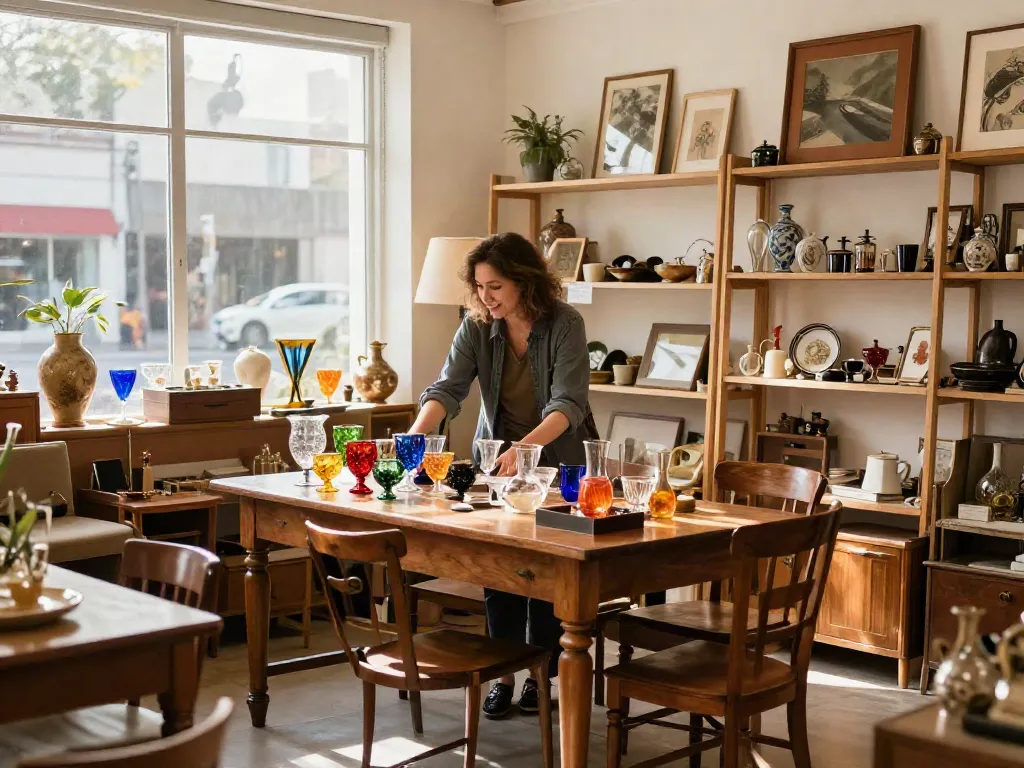
Understanding the Appeal of Antique Collecting
The world of antiques offers a captivating blend of history, artistry, and nostalgia, making it an appealing pursuit for collectors and casual shoppers alike. But what exactly contributes to the allure of antique collecting? From the unique narratives tied to each piece to the thrill of finding hidden treasures, the journey of gathering antiques holds a special place in many hearts. By understanding what makes antiques unique and exploring various types, anyone can develop a deeper appreciation for these timeless items.
When exploring options, browse around this site for tips, strategies, and resources that can enhance your antique hunting experience and foster a meaningful connection with the past.
What Makes Antiques Unique?
Antiques possess a character that mass-produced items simply cannot match. Each piece holds a story, reflecting the culture and craftsmanship of the era from which it originated. This uniqueness can manifest in various forms, from intricate designs and materials to the sentimental value they hold for previous owners. Antiques are not merely items; they are tangible links to history, providing insight into the tastes, values, and lifestyles of previous generations.
Exploring Different Types of Antiques
There is a wide array of antiques available for collectors, each category offering its distinct charm. Some common types include:
- Furniture: From exquisite Victorian sofas to Arts and Crafts tables, antique furniture pieces can add both style and history to any home.
- Glassware: Antique glass items, such as Carnival glass or cut crystal, are prized for their craftsmanship and beauty.
- Jewelry: Antique jewelry often showcases unique styles and techniques that highlight the artistry of their time.
- Art: Paintings, sculptures, and prints created by renowned artists can elevate an antique collection to new heights.
Common Misconceptions About Antique Shopping
Despite its appeal, antique shopping is often shrouded in myths that can deter potential collectors. One common misconception is that antiques are always expensive. While it’s true that some pieces can command high prices, many affordable options exist for those who know where to look. Another misconception is that all antiques are valuable. While age can contribute to value, market demand, condition, and rarity also play significant roles in determining worth.
How to Browse Around This Site for Antiques
With the rise of online marketplaces, collectors can now easily browse a vast array of antiques from the comfort of their homes. However, navigating online antique shopping requires a specific strategy to ensure that you find the best items at fair prices.
Effective Strategies for Online Antique Shopping
When engaging in online antique shopping, it’s essential to approach it with a clear strategy:
- Do Your Research: Familiarize yourself with specific styles, eras, and values of antiques that interest you.
- Read Seller Reviews: Check previous buyer reviews and ratings to gauge the reliability of the seller.
- Examine Photographs: High-quality images are crucial; request additional views if necessary to assess condition.
- Understand Return Policies: Ensure that you are aware of the return policies before making a purchase, especially for high-value items.
What to Look for: Quality vs. Price
When assessing antiques online, it is important to strike a balance between quality and price. Look for signs of craftsmanship, such as joinery techniques, and assess the condition of the item critically. While it may be tempting to opt for cheaper items, a higher-quality piece may provide lasting satisfaction and potential appreciation over time.
Creating an Antique Wishlist
To streamline your shopping experience, consider developing an antique wishlist. Outline specific items or types of antiques you are interested in and prioritize them based on your budget and available space. A well-thought-out wishlist helps you stay focused while browsing and makes it easier to recognize worthwhile investments when you come across them.
Tips for a Successful Local Antique Store Experience
While online shopping offers convenience, nothing quite compares to the experience of exploring local antique shops. Visiting physical stores can provide unique insights, as you can see and feel items firsthand and engage with knowledgeable shopkeepers.
Questions to Ask Shopkeepers
When visiting antique stores, don’t hesitate to engage with shopkeepers. Asking thoughtful questions can enhance your understanding of the items and their histories. Some questions to consider include:
- What can you tell me about the history of this piece?
- How has the condition of this item been maintained?
- What is the provenance of this antique?
Understanding Store Layouts and Displays
Many antique shops have carefully curated layouts, often showcasing items by themes, eras, or styles. Take your time to observe how the shop is organized, as this can help you locate items that appeal to your interests more efficiently.
Making the Most of Your Visit
To maximize your local antique shopping experience, visit shops during less busy hours, allowing you ample time to browse and interact with staff. Keep an open mind, as you may discover unexpected treasures that ignite your passion for collecting.
Preserving and Caring for Your Antique Finds
Once you've amassed a collection of antiques, it's essential to understand how to preserve and care for your finds. Proper maintenance ensures that your items remain in good condition for years to come.
Best Practices for Antique Maintenance
Different types of antiques require different maintenance routines. For example, wooden furniture may need periodic polishing, while textiles might require specialized cleaning. Here are some general guidelines:
- Avoid Direct Sunlight: Exposure to sunlight can fade colors and damage materials over time.
- Maintain Humidity Levels: Keeping humidity stable can prevent warping and cracking, especially for wooden items.
- Dust Regularly: Regular cleaning helps prevent dust accumulation that can lead to deterioration.
How to Store Antiques Properly
If you have to store antiques, do so in a climate-controlled environment. Use protective wrapping materials and avoid overcrowding storage spaces, which can lead to accidental damage. For furniture, consider using pads between pieces to prevent scratches.
Identifying Repairs: When to Seek Professional Help
Some antique items may require repairs over time. Learn how to identify damage that might need professional intervention, such as cracks, loose joints, or improper repairs. Seeking expertise ensures that your antiques receive the appropriate care, preserving their integrity and value.
Future Trends in Antique Collecting and Shopping
The landscape of antique collecting continues to evolve, influenced by technological advancements and changing consumer preferences. Understanding future trends can help collectors stay ahead of the curve.
Emerging Popularity of Online Antique Marketplaces
As technology progresses, online marketplaces dedicated to antiques are gaining traction. These platforms often feature detailed listings, allowing collectors to access rare finds worldwide. Emerging technologies such as augmented reality may also transform how buyers experience antiques from the comfort of their homes.
Environmental Considerations in Antique Shopping
With growing concerns about sustainability, many consumers are becoming more conscious about their purchasing decisions. Antiques represent a form of recycling, as they allow individuals to acquire quality items that have already stood the test of time. This trend is likely to continue as buyers seek eco-friendly options.
Predictions for Antique Styles in 2026
While antique collecting often draws from historical styles, trends can shift. Predictions for 2026 suggest a resurgence of mid-century modern pieces, alongside a growing appreciation for vintage industrial designs. Collectors are likely to seek unique items that juxtapose traditional craftsmanship with contemporary aesthetics.
What Are the Best Online Resources for Antique Collectors?
Various online resources can assist enthusiastic antique collectors. Websites dedicated to antique valuations, marketplaces for buying, and forums for connecting with fellow collectors can enhance your collecting journey. Staying connected with the community will help you discover the latest trends and valuable insights.
Where Can I Find Antique Stores Near Me?
Finding antique stores nearby can be made easier with smartphone apps and online maps. Local antiques fairs, flea markets, and estate sales are also excellent places to discover unique items and support local businesses.
How Do I Evaluate an Antique's Value?
Evaluating an antique's value involves research, understanding market trends, and consulting experts when necessary. Consider factors like rarity, condition, and demand when assessing an item’s worth.
What Kind of Antiques Are Most Popular Right Now?
Currently, a surge in demand for furniture from the 1960s to the 1980s has been observed, alongside a burgeoning interest in high-quality vintage accessories and decorative items.
How Can I Start My Antique Collection?
Beginning an antique collection requires patience and passion. Start by determining your interests and budget, and then gradually acquire pieces that resonate with you. Attend trade shows, auctions, and estate sales to deepen your knowledge and expand your collection.
What Should I Know Before Buying Antiques?
Before making a purchase, educate yourself about authenticity and provenance. Understanding the background and history of a piece can prevent buyer's remorse and ensure that your investment holds its value over time.