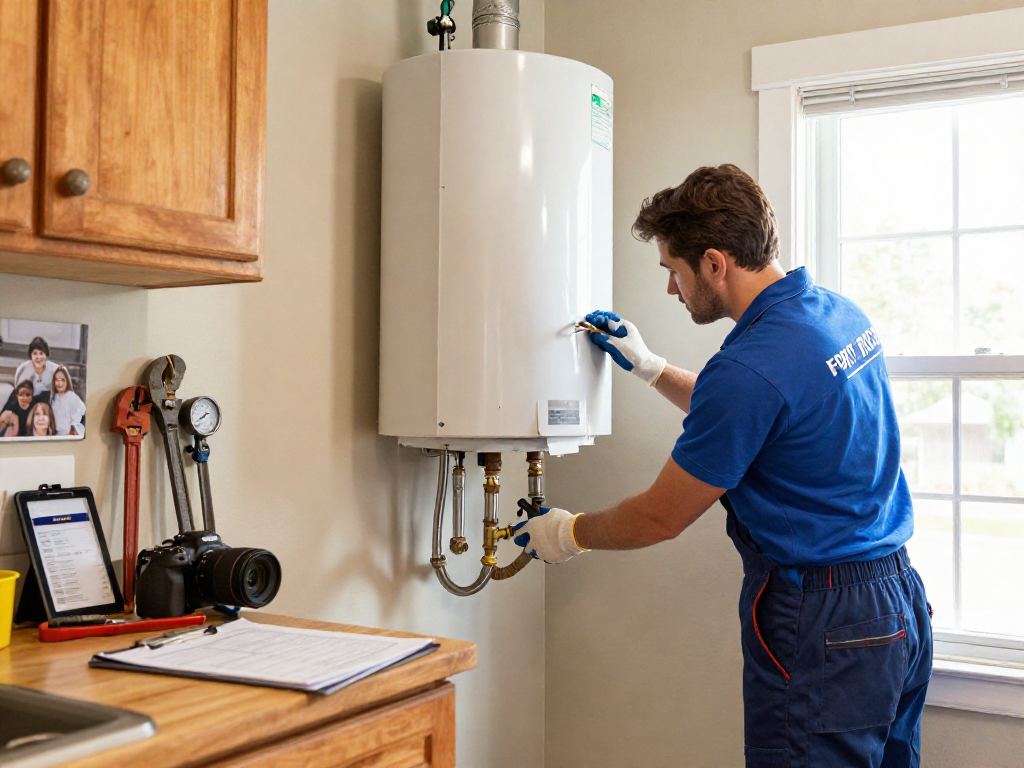
Understanding Water Heater Replacement in Fort Worth
In the vibrant community of Fort Worth, ensuring that your home has a reliable water heater is essential for comfort and convenience. Homeowners often find themselves pondering when it's time to consider a water heater replacement Fort Worth, especially when faced with numerous challenges such as inconsistent temperatures, leaks, or increased energy bills. Understanding the lifecycle of your water heater, the indicators that signal a need for replacement, and the benefits of professional services can make all the difference in maintaining a functional and efficient plumbing system.
What to Know Before You Replace Your Water Heater?
Before diving into the replacement process, it's crucial to assess a few vital factors. First, determine the age of your current water heater; most traditional units last between 8 to 12 years, while tankless models can have a lifespan of over 20 years with proper maintenance. If your unit is nearing the end of its estimated life, replacement is likely more cost-effective than ongoing repairs.
- Type of Water Heater: Consider whether to stick with the same type or upgrade to a different system. Options include traditional tank water heaters, tankless, heat pump, and solar water heaters, each with its own pros and cons.
- Energy Efficiency: Newer models often boast better energy efficiency ratings, which can lead to significant savings on your utility bills over time.
- Local Regulations: Familiarize yourself with local building codes and regulations in Fort Worth that may influence your options and installation process.
Common Signs Your Water Heater Needs Replacement
Identifying the signs that your water heater may need replacement is imperative to avoid costly damage and inconvenience. Look for these red flags:
- Inconsistent water temperatures or no hot water.
- Strange noises coming from the heater, such as banging or popping, which may indicate sediment build-up.
- Visible corrosion or leaks around the base of the unit.
- Increased energy bills that are disproportionate to your usage.
- Water discoloration indicating rust.
Benefits of Choosing Professional Water Heater Services
Enlisting the help of professional services for water heater replacement can save you time and prevent potential mishaps. Experts can help you:
- Choose the right type and size of water heater for your home.
- Ensure compliance with local codes and proper installation practices.
- Provide reliable advice based on current market trends and efficiency standards.
- Offer warranties and preventative maintenance options for your peace of mind.
Types of Water Heaters Available in Fort Worth
When considering a water heater replacement, understanding the different types available in Fort Worth is crucial. Each option caters to various needs, preferences, and budgets.
Comparing Tank vs. Tankless Water Heater Options
Traditional tank water heaters store hot water in a tank, ready for use. In contrast, tankless water heaters heat water on demand, providing a continuous supply without the need for storage. Here are some key comparisons:
- Space Efficiency: Tankless units are compact and can be installed in smaller spaces, making them ideal for homes with limited room.
- Energy Savings: Tankless models often have a lower operating cost since they only heat water as needed, reducing energy waste.
- Initial Costs: Tank heaters generally have a lower upfront cost but may require more frequent replacements.
- Hot Water Supply: Tank systems can run out of hot water during heavy use, whereas tankless heaters can supply a steady flow as long as it's within their capacity.
Energy Efficiency Ratings and Their Importance
When comparing models, pay attention to the Energy Factor (EF) ratings. The higher the EF rating, the more efficient the water heater is regarding energy consumption. An energy-efficient model can lower your utility bills and have a positive impact on the environment.
Choosing the Right Size for Your Home
Determining the appropriate size for your home is another critical component of the replacement process. A water heater that's too small will struggle to meet your household's needs, while one that's too large will waste energy and money. Consider your household size and peak usage times to help gauge the correct capacity.
Factors to Consider in Water Heater Replacement
Replacing a water heater is a significant investment and requires careful consideration of various factors beyond just the unit itself.
Budgeting for Installation and Replacement Costs
Costs can vary widely based on the type of water heater you choose, installation complexities, and regional pricing. It's essential to budget not only for the purchase price of the unit but also for installation and potential modifications needed for plumbing and electrical work.
- Average Costs: In Fort Worth, the range for a tank water heater replacement can be between $800 to $1,500, while tankless systems may cost from $1,500 to $3,500 depending on capacity and installation requirements.
- Financing Options: Investigate financing options with local plumbing companies to help alleviate the immediate financial impact.
Local Regulations and Safety Codes in Fort Worth
Fort Worth has specific plumbing and safety codes that must be adhered to during installation. Ensure your chosen contractor is knowledgeable about these regulations, as negligence can lead to fines and safety hazards.
Importance of Warranty and Customer Support
Opt for models that come with solid warranty options and customer support. A well-structured warranty not only reflects manufacturers' confidence in their products but also protects your investment against manufacturing defects and potential issues.
Your Guide to the Water Heater Replacement Process
Understanding the installation process can make transitioning to a new water heater less daunting. Here’s what to expect:
Step-by-Step Installation Process Explained
When a professional arrives for installation, expect the following steps:
- Assessment: The technician will assess the existing system and determine what modifications may be needed.
- Removal of Old Unit: Safely disconnecting and removing the old water heater.
- Installation of New Unit: Installing the new water heater according to the manufacturer’s specifications and local codes.
- Testing: Once installed, the technician should check for any leaks or operational issues.
- Cleanup: Properly disposing of the old unit and cleaning the work area.
Preparing Your Home for a Water Heater Replacement
To ensure a smooth installation process, consider these steps to prepare your home:
- Clear the area around the water heater to allow easy access for the technician.
- Inform family members about the replacement, particularly if they rely heavily on hot water.
- Postpone any other plumbing work during this time to avoid complications.
Post-Installation Maintenance Tips and Tricks
Once your new unit is installed, maintaining it will help prolong its lifespan:
- Regularly check the pressure relief valve and flush the tank yearly to prevent sediment build-up.
- Monitor the temperature settings; 120°F is often recommended for optimal efficiency and safety.
- Schedule periodic professional inspections to preemptively address any developing issues.
Frequently Asked Questions About Water Heater Replacement
How long does a water heater last?
Typically, traditional water heaters last about 8 to 12 years, while tankless systems can last up to 20 years or more with proper maintenance.
What are the energy-saving benefits of modern water heaters?
Modern water heaters can be significantly more energy-efficient due to advanced technology and improved insulation, leading to reduced utility bills and a lower environmental impact.
Can I DIY my water heater replacement?
While handy homeowners might be tempted to attempt a DIY replacement, it’s generally recommended to hire professionals to ensure safety, compliance with local codes, and proper installation.
What should I do with my old water heater?
Your old water heater should be disposed of according to local regulations. Many plumbing services offer disposal as part of their service.
How do I choose the best contractor for installation?
Look for licensed, insured contractors with positive reviews and a strong local presence. Ask for quotes, warranties, and a breakdown of services included in the installation process.